How to Increase Orders on Meesho
Meesho discovery is a feed, not a search bar. How its ranking loop works, why stale catalog images cost you impressions, and how to refresh creatives cheaply.
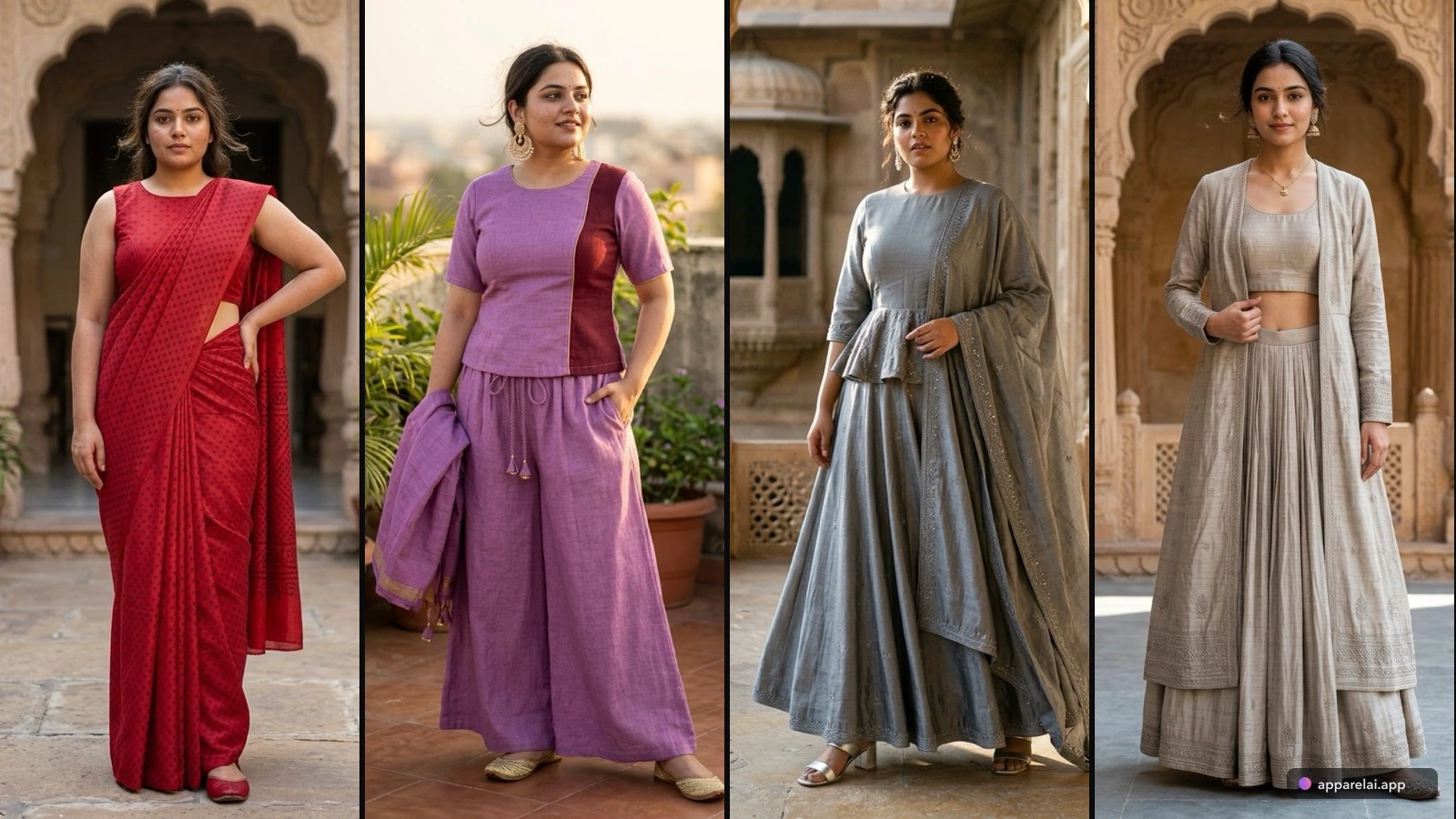
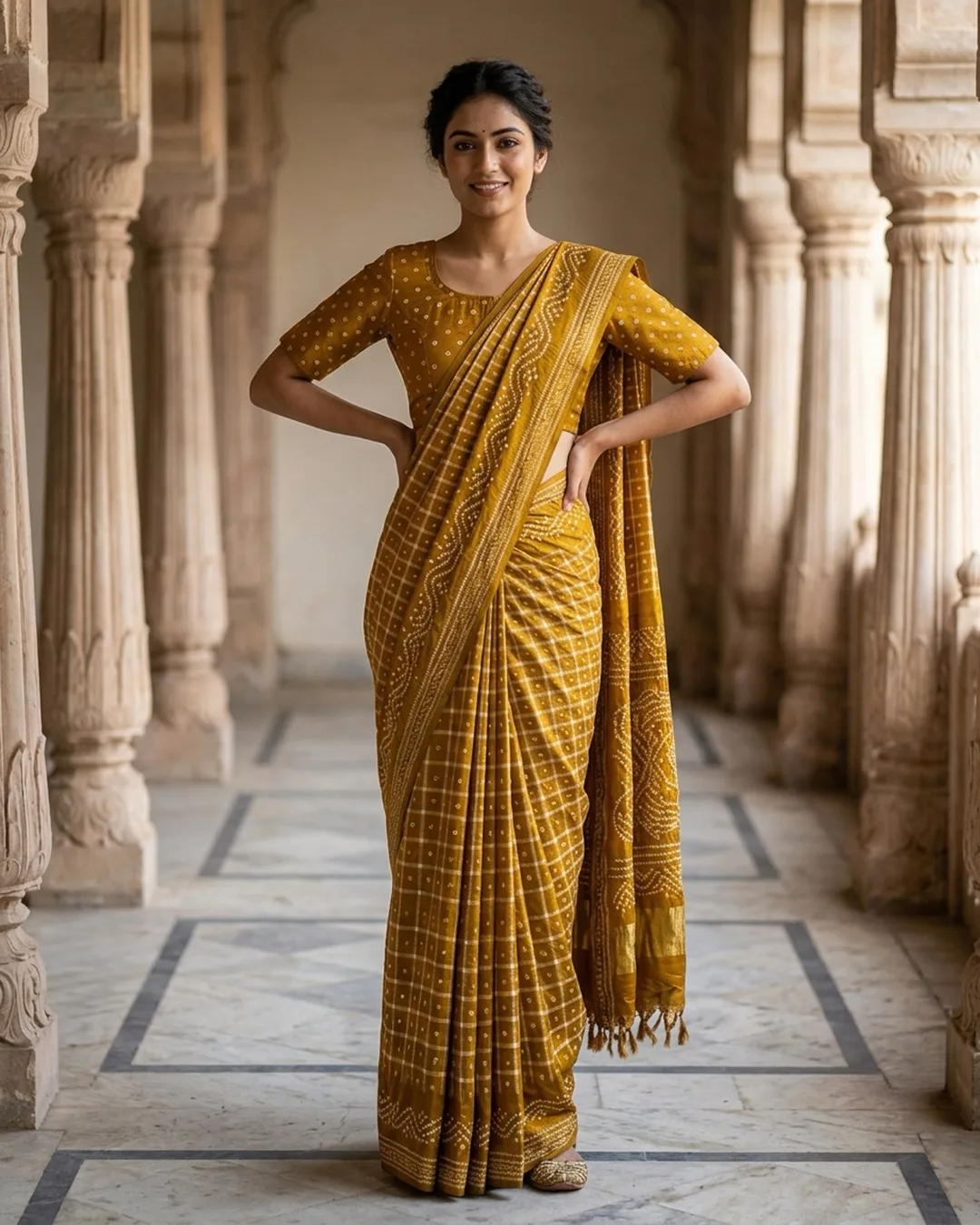
Meesho does not work like the other marketplaces, and suppliers who treat it like a smaller Flipkart tend to struggle.
The commission structure is different, the discovery model is different, and the buyer is different. Once you understand what the platform is optimising for, the levers that actually increase orders become fairly obvious.
Discovery is a feed, not a search bar
Most Meesho buyers are not typing a specific query. They are scrolling a feed, and the platform decides what to put in front of them.
That means your catalog is not competing for a keyword position. It is competing for a slot in an algorithmic feed that weighs:
- •Price competitiveness within your subcategory
- •Click-through rate on your catalog image
- •Conversion rate once someone taps
- •Dispatch reliability and cancellation rate
- •Return and quality signals
Notice that two of the top three are decided by your images. In a feed, the image is the entire pitch. There is no title real estate, no A+ content, no brand equity carrying the click. Your thumbnail either stops the scroll or it does not.
The probation window on new catalogs
New catalogs typically get an initial burst of impressions. The platform is testing you: it shows the catalog to a sample of the feed and watches what happens.
Convert during that window and you earn a durable slot. Fail to convert and impressions taper, at which point the catalog is effectively dead and most suppliers respond by uploading a new one instead of fixing the old.
The practical consequence: do not upload a catalog until the images are right. A soft launch with weak photos burns the one free traffic window you get, and you cannot buy it back.
Creative decay is real
The other pattern suppliers miss is engagement decay. A catalog image that performed well six months ago will gradually earn fewer clicks. The feed notices declining engagement on stale creatives and reallocates impressions elsewhere.
Refreshing images on your top catalogs seasonally is not vanity work. It is maintenance on your ranking. Suppliers who refresh creatives on a schedule tend to hold feed placement far longer than those who upload once and forget.
This is also where the cost problem bites hardest, which we will get to.
Images matter more at Meesho price points, not less
There is a common assumption that budget buyers care less about photography. The opposite is true, and the reason is trust.
A shopper looking at a Rs 399 kurti online has no brand to rely on and no store to visit. The photo is the only evidence that the product is real and that it looks like the listing. Poor photography reads as risk, and a risky Rs 399 purchase is easy to skip because there are forty similar options in the same scroll.
Good imagery on a value product does three things at once:
- •Wins the tap in a crowded feed
- •Converts the tap by making the product feel legitimate
- •Reduces "not as described" returns, which protect your ranking and your payout
That last one matters more on Meesho than most suppliers realise. Quality returns feed directly back into how the platform treats your account.
The margin problem
Here is why most suppliers never fix their imagery.
Meesho charges 0% commission across categories, which sounds generous until you look at the price points. A supplier selling at Rs 399 with a thin margin cannot spend Rs 300 to Rs 800 per garment on a model shoot. The photography would cost more than the gross margin on the first several units.
So the catalog goes up with a phone photo on a bedsheet, or a supplier-provided image reused by twenty other sellers listing the same product. Both perform badly, and neither can be fixed within the economics of traditional photography.
Making creative refresh affordable
AI photography changes this specific constraint, because the cost structure is per image rather than per shoot.
The workflow for a Meesho supplier:
- Photograph the garment once, flat, in even daylight, on a plain surface
- Generate an on-model image for the catalog thumbnail
- Generate two or three additional angles and a second body type
- Regenerate refreshed creatives each season from the same source photo, at no additional shoot cost
At under Rs 20 per image, a 100-product catalog with four images each costs a few thousand rupees rather than Rs 20,000 to Rs 50,000. More importantly, the seasonal refresh that protects your feed placement becomes something you can actually afford to do repeatedly.
For suppliers listing the same garment in multiple colours, the AI color variation generator produces consistent variants from one source image, which is far cheaper than shooting each colourway. The AI background remover handles the clean-background versions Meesho expects.
We covered the platform's image specifications in more detail in the Flipkart and Meesho photography guide.
Operational discipline still decides the ceiling
Imagery gets you impressions and clicks. These lose them:
Stockouts. Going out of stock resets the momentum you built. The feed reallocates your slot and you start the climb again.
Cancellations. Cancelling orders because you mispriced something suppresses the whole account, not just that catalog. Price correctly the first time.
Slow dispatch. Dispatch reliability is a ranking input. Consistency here compounds quietly in your favour.
No amount of good photography survives an account with a bad cancellation rate.
A simple operating rhythm
- Before upload, make sure every catalog has an on-model hero image, not a flat lay
- Watch the first two weeks closely. That is your probation window
- Kill catalogs that fail to convert rather than letting them sit
- Refresh creatives on your top 20 catalogs every season
- Never let a top performer go out of stock
Bottom line
Meesho rewards catalogs that earn clicks and convert inside a feed, and punishes the ones that go stale or run out of stock. Your images control the first half of that equation entirely. The trap is that Meesho's price points make traditional photography economically impossible, so suppliers accept weak creatives as a permanent condition. It is not permanent anymore. Per-image AI photography brings on-model imagery and seasonal creative refresh inside the margin of a Rs 399 product, which is exactly where the ranking loop is decided.
Ready to try AI product photography?
Start with 3 free images. No credit card required.
Start Free Photoshoot