Seedance 2.0: AI Video Generator Review
Seedance 2.0 generates 2K video with synchronised audio in 30 seconds. What it does, how it compares to Sora and Runway, and why fashion brands care.
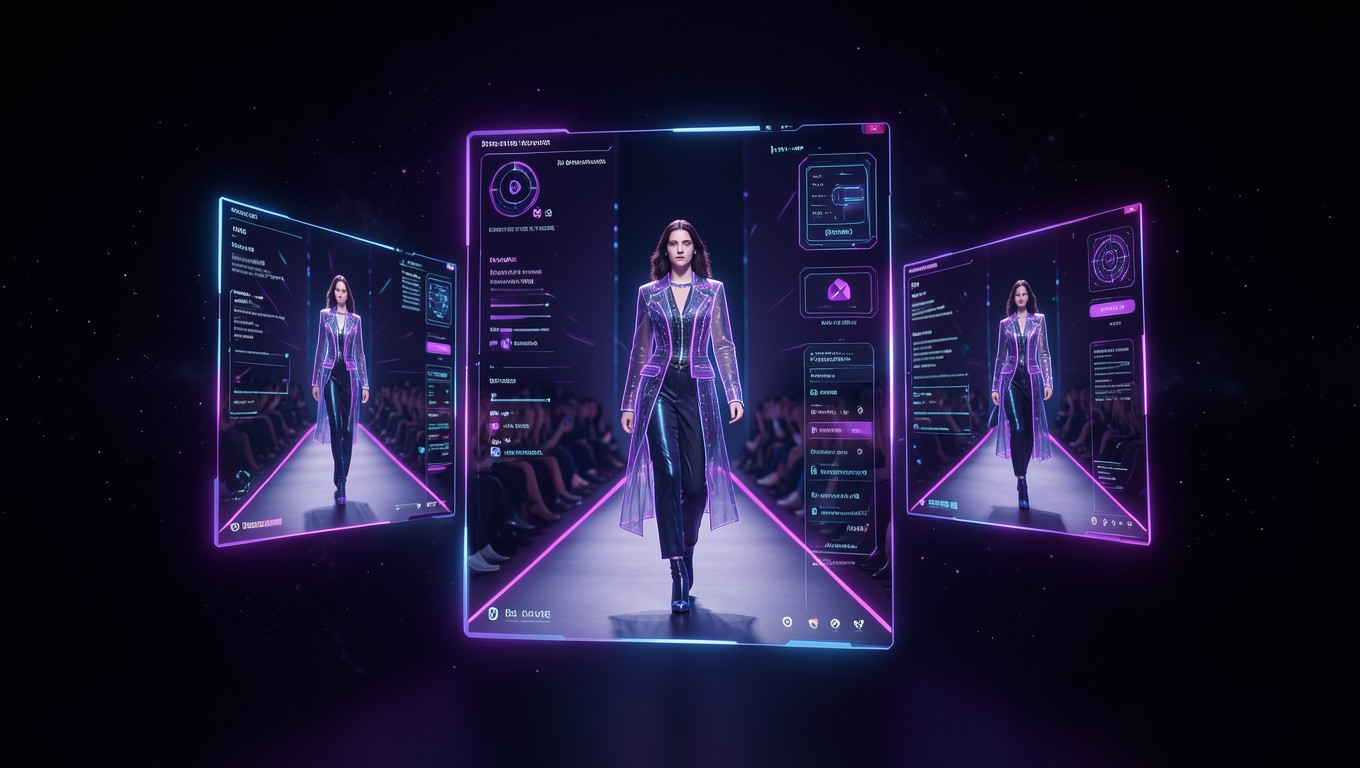
Seedance 2.0 Hero Demo
Official Seedance 2.0 showcase reel showing the model's capabilities.
Multi-Modal Input
Seedance 2.0 processing text, images, and audio simultaneously.
Camera Control
Director-level camera movements: dolly, tracking, rack focus.
Example: Cinematic Scene
AI-generated cinematic video with synchronized audio.
Example: Product Showcase
Product video generated from a single image input.
ByteDance quietly released Seedance 2.0 in February 2026 and it caught everyone off guard. While the AI video space was focused on OpenAI's Sora and Runway's Gen-4, ByteDance dropped a model that generates native 2K video with synchronized audio in about 30 seconds. No separate audio step. No post-production pipeline. Just prompt and go.
Here's what makes it different, where it shines, and where it falls short.
What Seedance 2.0 actually is
Seedance 2.0 is built on a dual-branch diffusion transformer architecture that processes video and audio at the same time. Most AI video generators treat audio as an afterthought. You generate video first, then use a separate tool for voiceover or music. Seedance bakes it all into one generation pass.
The specs are impressive on paper:
- •Resolution: Up to native 2K (2048x1080)
- •Duration: 4 to 15 seconds per generation
- •Frame rate: 24 fps standard, up to 60 fps
- •Audio: Synchronized music, dialogue with lip-sync, and sound effects
- •Inputs: Text, up to 9 images, up to 3 video clips, and up to 3 audio files in a single generation
That multi-input capability is the real differentiator. You can feed it a product photo, a reference video for camera movement, an audio track, and a text prompt describing the scene. It processes everything together.
How it compares to the competition
The AI video market in 2026 has several strong players. Here's where Seedance 2.0 fits:
Seedance 2.0 vs Sora 2
Sora has better narrative coherence for story-driven content and slightly more accurate physics simulation. But Sora costs roughly $200/month for serious use. Seedance starts at $9.60/month and delivers comparable visual quality for product and commercial content. Sora also can't generate audio natively.
Seedance 2.0 vs Runway Gen-4
Runway excels at post-production workflows and integrates well with professional editing pipelines. Seedance is better for one-shot generation where you want a complete video (with audio) from a single prompt. Runway's maximum output is about 10 seconds at 1080p. Seedance does 15 seconds at 2K.
Seedance 2.0 vs Kling 3.0
Kling currently produces the most realistic human motion of any AI video tool. If your video needs a person walking, dancing, or performing complex physical movements, Kling has the edge. Seedance's advantage is the multi-modal input system and native audio generation.
What actually impresses
After working with the tool, a few things stand out:
The camera control is genuinely useful. You can specify cinematographic directions in your prompt: dolly zoom, rack focus, tracking shot, POV switch, aerial crane, handheld movement. It understands film language and translates it into camera motion that looks intentional, not random.
The @ reference system works. You can tag uploaded assets with @names and reference them in your prompt. Upload a model photo as @Model1 and a product as @Jacket, then write "Tracking shot of @Model1 walking through autumn park wearing @Jacket, camera follows from left." The consistency across frames is noticeably better than the competition.
Audio generation saves real time. For product videos and social content, not needing a separate audio step removes an entire tool from your workflow. The lip-sync for dialogue is accurate to milliseconds. The generated music isn't going to win awards, but it's perfectly usable for product reels and social media content.
Where it falls short
Face generation is restricted. Following copyright disputes with major studios, ByteDance added aggressive content moderation. You can't generate videos with recognizable real faces. This limits some commercial use cases, though it's understandable from a legal perspective.
Text rendering is weak. If your video needs legible text overlays (brand names, prices, CTAs), Seedance will struggle. You'll need to add text in post-production.
The 15-second cap matters. For product reels and social content, 15 seconds is plenty. For anything longer, you need to generate multiple clips and stitch them together. The "seamless extension" feature helps, but it's not truly seamless yet.
International access is fragmented. The best experience is on Dreamina (dreamina.capcut.com), but some features are limited outside China. Third-party API providers like fal.ai and PiAPI offer access, but at varying quality and pricing levels.
The pricing reality
This is where Seedance gets interesting for commercial users:
A 10-second 1080p video with audio costs roughly $2 to 4 in credits. Compare that to:
- •Traditional product video production: $500 to 5,000 per video
- •Sora 2 Pro: roughly $10 to 15 per comparable video
- •Freelance videographer for social content: $200 to 500 per video
For a fashion brand that needs 20 product reels per month, the cost difference between Seedance ($40 to 80/month) and traditional production ($4,000 to 10,000/month) is enormous.
Who should care about Seedance 2.0
E-commerce brands that need product videos for social media and product pages. The image-to-video capability means you can turn your existing product photos into video content without any additional photography.
Social media marketers who need a constant stream of short-form video content. Generate 10+ variations of a product reel in an afternoon instead of spending days on a single video shoot.
Fashion brands specifically benefit from the camera control system. Runway walk tracking shots, fabric detail slow-motion, and lifestyle scenes can all be generated from product photos.
Agencies that produce content for multiple brands can dramatically reduce per-client production costs.
The bottom line
Seedance 2.0 is currently the best value proposition in AI video generation. It's not the absolute best at any single thing (Sora has better narrative, Kling has better human motion), but it delivers the most complete package: high resolution, native audio, multi-modal input, and director-level camera control at a fraction of the cost.
For fashion and e-commerce specifically, the ability to turn a product photo into a polished 15-second reel with music and camera movement for under $5 is genuinely transformative. That's not a "future of AI" claim. That's something you can do right now on Dreamina.
Ready to try AI product photography?
Start with 3 free images. No credit card required.
Start Free Photoshoot